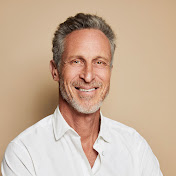
Dr. Mark Hyman
hosted by Mark Hyman
We tested 29 claims from Dr. Mark Hyman against the research. 12 held up, 0 did not, and the rest are partly true or still too early to judge.
We only test the claims that can be checked, not everything that is said. This is not a ranking.
Mark Hyman · hosts Dr. Mark Hyman
American physician, author and advocate of functional medicine
PartlyMark Hyman (American physician, author and advocate of functional medicine) · Dr. Mark Hyman, September 2026 · watch the episode ↗︎ · stated with confidence
“NAD+ levels in the body drop by about 50 percent around middle age.”
Mark Hyman (American physician, author and advocate of functional medicine) · Dr. Mark Hyman, September 2026 · watch the episode ↗︎ · stated with confidenceThat NAD+ declines with age has been consistently demonstrated in both humans and animals, and the mechanisms behind it are reasonably well understood. However, the research does not confirm the specific figure of 'about 50 percent around middle age': the direction of the claim is correct, but that precise percentage cannot be substantiated. The extent and rate of the decline can moreover vary from person to person and from tissue to tissue.
PartlyMark Hyman (American physician, author and advocate of functional medicine) · Dr. Mark Hyman, September 2026 · watch the episode ↗︎ · stated with confidence
“Red light therapy reduces inflammation, activates mitochondria and increases ATP production.”
Mark Hyman (American physician, author and advocate of functional medicine) · Dr. Mark Hyman, September 2026 · watch the episode ↗︎ · stated with confidenceResearch confirms that red light activates a mitochondrial protein and thereby triggers a chain of cellular processes, which makes the claims about mitochondrial activation and ATP production biologically plausible. However, this mechanism has been demonstrated mainly in laboratory and stem cell studies, not convincingly in living humans. The same applies to the claim that red light therapy reduces inflammation: there are positive signals, but solid clinical evidence in humans is largely lacking. The statement presents these three effects as established facts, while the evidence is still too limited to justify that.
PartlyMark Hyman (American physician, author and advocate of functional medicine) · Dr. Mark Hyman, September 2026 · watch the episode ↗︎ · stated with confidence
“Sauna use increases heat shock proteins that help clear damaged proteins from the body.”
Mark Hyman (American physician, author and advocate of functional medicine) · Dr. Mark Hyman, September 2026 · watch the episode ↗︎ · stated with confidenceResearch shows that mild heat such as a sauna activates a biological protection system that strengthens cells and makes them more resilient, and this effect is well documented. Heat shock proteins (also known as chaperones) do indeed play a role in the folding and clearance of damaged proteins, and this mechanism fits with what is known about protein accumulation in ageing. Nevertheless, it has not yet been conclusively demonstrated in large long-term studies in humans that sauna use activates this system effectively enough to actually clear damaged proteins. The direction of the claim is biologically plausible, but it goes further than the current evidence in humans supports.
PartlyMark Hyman (American physician, author and advocate of functional medicine) · Dr. Mark Hyman, September 2026 · watch the episode ↗︎ · stated with confidence
“A high protein intake combined with targeted physical training can significantly restore muscle loss after serious illness and prolonged bed rest, even at an advanced age.”
Mark Hyman (American physician, author and advocate of functional medicine) · Dr. Mark Hyman, September 2026 · watch the episode ↗︎ · stated with confidenceResearch confirms that strength training is the cornerstone of regaining muscle mass later in life, and that adequate protein amplifies that effect. The combination of training and protein therefore does indeed work, even in older age. However, the claim goes further than the evidence justifies: the word 'significantly' cannot be substantiated, and the studies address muscle loss due to ageing or weight loss, not specifically recovery after serious illness and prolonged bed rest. Whether that particular situation responds in the same way to protein plus training has not been demonstrated.
Dr. David Perlmutter
Neurologist and author of health books including Grain Brain and Brain Defenders
PartlyDr. David Perlmutter (Neurologist and author of health books including Grain Brain and Brain Defenders) · Dr. Mark Hyman · watch the episode ↗︎ · stated with confidence
“Doing regular aerobic exercise for a year increases the volume of the brain's memory centre and improves cognitive function.”
Dr. David Perlmutter (Neurologist and author of health books including Grain Brain and Brain Defenders) · Dr. Mark Hyman · watch the episode ↗︎ · stated with confidenceThis refers to a well-known study in which older adults showed a slightly larger memory centre after a year of aerobic training, around two percent, which amounts to reversing one to two years of ageing. That result is real. Later and larger studies did not consistently find that effect on volume alone. That exercise is good for your brain is well established; that it measurably grows your hippocampus is less certain.
PartlyDr. David Perlmutter (Neurologist and author of health books including Grain Brain and Brain Defenders) · Dr. Mark Hyman · watch the episode ↗︎ · stated with confidence
“Paying attention to fourteen modifiable lifestyle factors is associated with a risk reduction of around 50 percent for developing dementia.”
Dr. David Perlmutter (Neurologist and author of health books including Grain Brain and Brain Defenders) · Dr. Mark Hyman · watch the episode ↗︎ · stated with confidenceThe fourteen factors are correct and come from the 2024 Lancet Commission review. However, more is being made of this than the data actually show. The commission calculated that around 45 percent of all dementia cases are theoretically linked to those factors at the population level, and only if every single factor were completely eliminated. That is not the same as an individual halving their own risk. Working on those factors is worthwhile, but this promise goes further than the research supports.
✓ Holds upDr. David Perlmutter (Neurologist and author of health books including Grain Brain and Brain Defenders) · Dr. Mark Hyman · watch the episode ↗︎ · stated with confidence
“Between 20 and 25 percent of people using amyloid-lowering Alzheimer's medication develop brain bleeds or brain swelling.”
Dr. David Perlmutter (Neurologist and author of health books including Grain Brain and Brain Defenders) · Dr. Mark Hyman · watch the episode ↗︎ · stated with confidenceCorrect, and this is one of the most important things people need to know about these new drugs. In the large trials of lecanemab and donanemab, roughly one in five to one in four participants developed swelling or small bleeds in the brain, visible on a scan. Usually without symptoms, but not always: serious cases and deaths have also been reported. That is why close monitoring with scans is an essential part of the treatment.
PartlyDr. David Perlmutter (Neurologist and author of health books including Grain Brain and Brain Defenders) · Dr. Mark Hyman · watch the episode ↗︎ · stated with confidence
“Type 2 diabetes increases the risk of developing Parkinson's disease by 85 percent.”
Dr. David Perlmutter (Neurologist and author of health books including Grain Brain and Brain Defenders) · Dr. Mark Hyman · watch the episode ↗︎ · stated with confidenceThere is a genuine link between type 2 diabetes and Parkinson's disease, found in multiple population studies. However, the pooled estimate from systematic reviews is around twenty to forty percent increased risk, not 85 percent. That high figure comes from a single study and is presented here as though it represents the general finding.
✓ Holds upDr. David Perlmutter (Neurologist and author of health books including Grain Brain and Brain Defenders) · Dr. Mark Hyman · watch the episode ↗︎ · stated with confidence
“Among people aged 65 and over, 1 in 9 (11 percent) has dementia.”
Dr. David Perlmutter (Neurologist and author of health books including Grain Brain and Brain Defenders) · Dr. Mark Hyman · watch the episode ↗︎ · stated with confidenceCorrect, and this is the figure used by the Alzheimer's Association: approximately eleven percent of people over 65 have dementia. The figures for the Netherlands are in the same ballpark. It is worth noting, however, that the rate rises sharply with age: below 75 it is a few percent, while above 85 it is a multiple of that.
PartlyDr. David Perlmutter (Neurologist and author of health books including Grain Brain and Brain Defenders) · Dr. Mark Hyman · watch the episode ↗︎ · stated with confidence
“About 40 to 50 percent of people in America who reach the age of 85 are diagnosed with Alzheimer's.”
Dr. David Perlmutter (Neurologist and author of health books including Grain Brain and Brain Defenders) · Dr. Mark Hyman · watch the episode ↗︎ · stated with confidenceThe figure is higher than the commonly used estimate. The Alzheimer's Association, which is cited later in the same episode for the number among people aged 65 and over, puts the share for the group aged 85 and older at around one third. Forty to fifty percent does appear in the literature, but it usually refers to all forms of dementia combined, or to estimates that include people who have the disease in their brains without showing any symptoms.
Dr. Dariush Mozaffarian
Cardiologist, professor of nutrition science and director of the Food is Medicine Institute at Tufts University
PartlyDr. Dariush Mozaffarian (Cardiologist, professor of nutrition science and director of the Food is Medicine Institute at Tufts University) · Dr. Mark Hyman, September 2026 · watch the episode ↗︎ · stated with confidence
“A Mediterranean diet reduces the number of heart attacks in cardiac patients by 62 percent.”
Dr. Dariush Mozaffarian (Cardiologist, professor of nutrition science and director of the Food is Medicine Institute at Tufts University) · Dr. Mark Hyman, September 2026 · watch the episode ↗︎ · stated with confidenceThe Mediterranean diet is indeed the best-supported dietary choice for people at elevated cardiac risk, and both large randomised trials and population studies confirm a lower risk of heart attack and stroke. The direction of the claim is therefore correct, but the evidence points to a risk reduction of 25 to 30 percent for serious cardiac events, not 62 percent. That precise figure cannot be substantiated on the basis of the available research.
PartlyDr. Dariush Mozaffarian (Cardiologist, professor of nutrition science and director of the Food is Medicine Institute at Tufts University) · Dr. Mark Hyman, September 2026 · watch the episode ↗︎ · stated with confidence
“The majority of heart diseases and heart attacks are caused by insulin resistance and metabolic dysfunction resulting from a diet high in sugar and starch.”
Dr. Dariush Mozaffarian (Cardiologist, professor of nutrition science and director of the Food is Medicine Institute at Tufts University) · Dr. Mark Hyman, September 2026 · watch the episode ↗︎ · stated with confidenceInsulin resistance is associated with an increased risk of cardiovascular disease, and that link is well established. However, the claim goes further than the available evidence allows: that the majority of all heart diseases and heart attacks stem from this, and that sugar and starch are the primary cause, cannot be substantiated. Risk factors such as smoking, high blood pressure, genetic predisposition and physical inactivity also play an independent role. Moreover, the findings indicate that sugar from solid food barely increases the risk of diabetes; the emphasis on sugar and starch as the main culprits oversimplifies a complex picture.
PartlyDr. Dariush Mozaffarian (Cardiologist, professor of nutrition science and director of the Food is Medicine Institute at Tufts University) · Dr. Mark Hyman, September 2026 · watch the episode ↗︎ · stated with confidence
“The type of food one consumes over the long term has a greater influence on biology than the number of calories alone.”
Dr. Dariush Mozaffarian (Cardiologist, professor of nutrition science and director of the Food is Medicine Institute at Tufts University) · Dr. Mark Hyman, September 2026 · watch the episode ↗︎ · stated with confidenceResearch shows that the type of protein influences muscle building, that meal timing affects blood sugar and hormonal balance, and that organic food reduces exposure to pesticide residues. Together, these findings support the idea that food quality does more than just the calorie count. However, the claim goes beyond what the available evidence firmly establishes: for most biological outcomes, the evidence is moderate or preliminary, and a direct comparison between 'type of food' and 'calorie intake' as separate influences on human biology has not been demonstrated. The direction of the claim is correct, but it is more categorical than the research justifies.
Dr. Emeran Mayer
Gastroenterologist, neuroscientist and emeritus professor at UCLA
PartlyDr. Emeran Mayer (Gastroenterologist, neuroscientist and emeritus professor at UCLA) · Dr. Mark Hyman, September 2026 · watch the episode ↗︎ · stated with caution
“A ketogenic diet has anti-inflammatory effects on the brain and may be beneficial in Alzheimer's disease.”
Dr. Emeran Mayer (Gastroenterologist, neuroscientist and emeritus professor at UCLA) · Dr. Mark Hyman, September 2026 · watch the episode ↗︎ · stated with cautionThere are tentative early indications that a ketogenic diet, through ketones, may be beneficial for people with memory problems, but the studies are small and not conclusive. The leap to specific anti-inflammatory effects on the brain and a proven benefit in Alzheimer's disease goes beyond what current research in humans can firmly establish. For a concrete verdict on Alzheimer's disease, large-scale, independent trials are still lacking.
From the episodes, no speaker named
✓ Holds upDr. Mark Hyman, September 2026 · watch the episode ↗︎ · stated with confidence
“Alcohol is a proven carcinogen that increases the risk of cancers including breast, bowel, and liver cancer, even with light consumption.”
Dr. Mark Hyman, September 2026 · watch the episode ↗︎ · stated with confidenceAlcohol is indeed a proven cause of cancer: a causal link has been established for seven types of cancer, including breast, bowel, and liver cancer. Even at low daily amounts there is a measurable increase in risk, and no safe lower limit exists. The claim therefore accurately reflects the current state of the research.
PartlyDr. Mark Hyman, September 2026 · watch the episode ↗︎ · stated with confidence
“Activation of the mTOR pathway by protein and strength training stimulates muscle protein synthesis and the preservation of muscle mass.”
Dr. Mark Hyman, September 2026 · watch the episode ↗︎ · stated with confidenceThat both protein intake and strength training support muscle protein synthesis and muscle mass is well established: multiple reviews confirm that the combination is clearly more effective than protein or training alone. However, the claim cites the mTOR pathway as the explanation, and the available research findings do not address this. The direction of the claim is therefore correct, but the mechanism via mTOR cannot be substantiated on the basis of the available evidence.
✓ Holds upDr. Mark Hyman, September 2026 · watch the episode ↗︎ · stated with confidence
“Physical exercise protects against age-related loss of muscle mass, muscle strength, and physical functioning.”
Dr. Mark Hyman, September 2026 · watch the episode ↗︎ · stated with confidenceMultiple independent studies consistently support the finding that exercise, and strength training in particular, helps maintain or even partly restore muscle mass, muscle strength, and physical functioning in later life. Muscle loss is not an irreversible process: those who train build up reserves and slow the inevitable decline that comes with age. The evidence for strength training as a cornerstone is strong; the protective effect therefore applies above all when you do this in a structured and regular way, preferably combined with adequate protein intake.
✓ Holds upDr. Mark Hyman, September 2026 · watch the episode ↗︎ · stated with confidence
“Excess body fat, particularly visceral fat, is strongly associated with metabolic disorders.”
Dr. Mark Hyman, September 2026 · watch the episode ↗︎ · stated with confidenceVisceral fat is not passive tissue but an active source of inflammatory substances and fatty acids that are transported directly to the liver, and this demonstrably increases the risk of cardiovascular disease and diabetes, even in people of normal weight. Excess body weight in general also leads, through multiple biological pathways, to a low-grade chronic inflammation, which further supports the broad association with metabolic disorders. The evidence for the particular role of visceral fat specifically is considered strong; for the wider link with inflammation and metabolic problems it is consistent but largely observational.
✓ Holds upDr. Mark Hyman, September 2026 · watch the episode ↗︎ · repeated in September 2026 · stated with confidence
“A diet high in ultra-processed foods is associated with poorer metabolic health and an increased risk of chronic diseases.”
Dr. Mark Hyman, September 2026 · watch the episode ↗︎ · repeated in September 2026 · stated with confidenceMultiple large observational analyses consistently show that a high intake of ultra-processed foods is associated with greater risks of type 2 diabetes, cardiovascular disease, obesity and premature death. These are precisely the chronic diseases and metabolic disturbances the claim refers to. Causality has not yet been conclusively established, but the associations are broad and robust enough to support the direction of the claim.
PartlyDr. Mark Hyman, September 2026 · watch the episode ↗︎ · stated with confidence
“A diet high in ultra-processed foods leads to lower microbial diversity, increased intestinal permeability, and chronic inflammation.”
Dr. Mark Hyman, September 2026 · watch the episode ↗︎ · stated with confidenceThe claim that ultra-processed foods can harm bacterial diversity in the gut is supported by research: certain emulsifiers in heavily processed products measurably damaged the gut flora within two weeks. However, the available research says little that is concrete about increased intestinal permeability as a separate consequence, and chronic inflammation is implied in the studies but not elaborated as an independently demonstrated mechanism. The claim combines three effects as though they are equally well supported, whereas the evidence for microbial diversity is the strongest and the other two have not yet been tested in the same way.
✓ Holds upDr. Mark Hyman, September 2026 · watch the episode ↗︎ · repeated in September 2026 · stated with confidence
“Fermentation of fibers by gut bacteria produces short-chain fatty acids such as butyrate, which strengthens the gut lining and reduces inflammation.”
Dr. Mark Hyman, September 2026 · watch the episode ↗︎ · repeated in September 2026 · stated with confidenceResearch shows that gut bacteria ferment fibers and in doing so produce short-chain fatty acids such as butyrate. These substances support the gut lining and inhibit inflammatory processes. A consistent link is also visible between a disrupted gut lining and low-grade inflammation in the body. The claim aligns well with current knowledge, although the effects on the immune system are not equally predictable for everyone and large randomised trials in humans are lacking for some of the details.
PartlyDr. Mark Hyman, August 2026 · watch the episode ↗︎ · stated with confidence
“High-sensitivity C-reactive protein (hs-CRP) functions as a reliable general biomarker for systemic inflammation.”
Dr. Mark Hyman, August 2026 · watch the episode ↗︎ · stated with confidenceHs-CRP is the most widely used measure and does carry real meaning, particularly regarding your risk of cardiovascular disease. That said, 'reliable' is a strong word: the value shoots up with any infection, is associated with excess weight and smoking, and fluctuates considerably from week to week. A single measurement tells you very little.
PartlyDr. Mark Hyman, August 2026 · watch the episode ↗︎ · stated with caution
“Time-restricted eating and fasting influence inflammatory pathways and promote cellular repair processes.”
Dr. Mark Hyman, August 2026 · watch the episode ↗︎ · stated with cautionIn animal studies this is clear: fasting activates the cell's housekeeping processes. In humans the picture is more mixed. Time-restricted eating improves inflammatory markers in some studies but not in others, and it is difficult to separate this effect from the fact that people in such studies typically also eat less overall.
✓ Holds upDr. Mark Hyman, August 2026 · watch the episode ↗︎ · stated with confidence
“Strength training improves insulin sensitivity and reduces visceral adipose tissue.”
Dr. Mark Hyman, August 2026 · watch the episode ↗︎ · stated with confidenceCorrect on both counts. Strength training improves insulin sensitivity even without weight loss, and it reduces fat around the organs. The latter often happens faster than what the scales show.
✓ Holds upDr. Mark Hyman, August 2026 · watch the episode ↗︎ · stated with confidence
“Visceral fat acts as an endocrine and immune organ that produces pro-inflammatory cytokines.”
Dr. Mark Hyman, August 2026 · watch the episode ↗︎ · stated with confidenceCorrect. Abdominal fat around the organs is not passive storage but active tissue that releases hormones and inflammatory substances. That is precisely why fat around the organs weighs more heavily on your health than fat under the skin.
✓ Holds upDr. Mark Hyman, August 2026 · watch the episode ↗︎ · stated with confidence
“Damaged mitochondria produce more reactive oxygen species (oxidative stress), which activates inflammatory pathways such as NLRP3.”
Dr. Mark Hyman, August 2026 · watch the episode ↗︎ · stated with confidenceCorrect, this is well-researched cell biology. Damaged mitochondria leak more reactive oxygen species, and these activate precisely that inflammatory complex. It is one of the pathways through which ageing and inflammation reinforce each other.
PartlyDr. Mark Hyman, August 2026 · watch the episode ↗︎ · stated with confidence
“A diet high in refined carbohydrates and ultra-processed products causes metabolic dysregulation and chronic low-grade inflammation.”
Dr. Mark Hyman, August 2026 · watch the episode ↗︎ · stated with confidenceThe association is robust and the direction is plausible. There is even a randomised trial in which people eating ultra-processed food spontaneously ate more and gained weight. For the inflammation itself, however, the evidence is weaker: it comes mainly from population studies, where lifestyle and excess weight cannot be disentangled.
✓ Holds upDr. Mark Hyman, August 2026 · watch the episode ↗︎ · stated with confidence
“Chronic sleep deprivation increases inflammatory markers and disrupts blood sugar regulation.”
Dr. Mark Hyman, August 2026 · watch the episode ↗︎ · stated with confidenceCorrect, and this has been firmly established in the laboratory. Healthy people who sleep less for several nights already show higher inflammatory markers and respond less well to insulin. Both return to normal once sleep is restored.
✓ Holds upDr. Mark Hyman, August 2026 · watch the episode ↗︎ · stated with confidence
“The NLRP3 inflammasome plays an important role in chronic age-related diseases such as cardiovascular disease, neurodegenerative conditions, and arthritis.”
Dr. Mark Hyman, August 2026 · watch the episode ↗︎ · stated with confidenceCorrect, and this is one of the best-supported insights from ageing research over the past fifteen years. This protein complex is the switch that triggers a smouldering inflammatory response, and that response demonstrably plays a role in cardiovascular disease, Alzheimer's disease, and type 2 diabetes.